Disadvantages To Asexual Reproduction Unit 3 In Plants Part 1 Ppt Download
Start Today disadvantages to asexual reproduction deluxe online video. On the house on our binge-watching paradise. Experience fully in a massive assortment of videos on offer in top-notch resolution, optimal for deluxe streaming admirers. With the latest videos, you’ll always be in the know. Witness disadvantages to asexual reproduction chosen streaming in breathtaking quality for a highly fascinating experience. Enroll in our digital stage today to take in VIP high-quality content with no charges involved, no membership needed. Stay tuned for new releases and investigate a universe of uncommon filmmaker media engineered for high-quality media experts. Take this opportunity to view original media—begin instant download! Witness the ultimate disadvantages to asexual reproduction bespoke user media with true-to-life colors and curated lists.
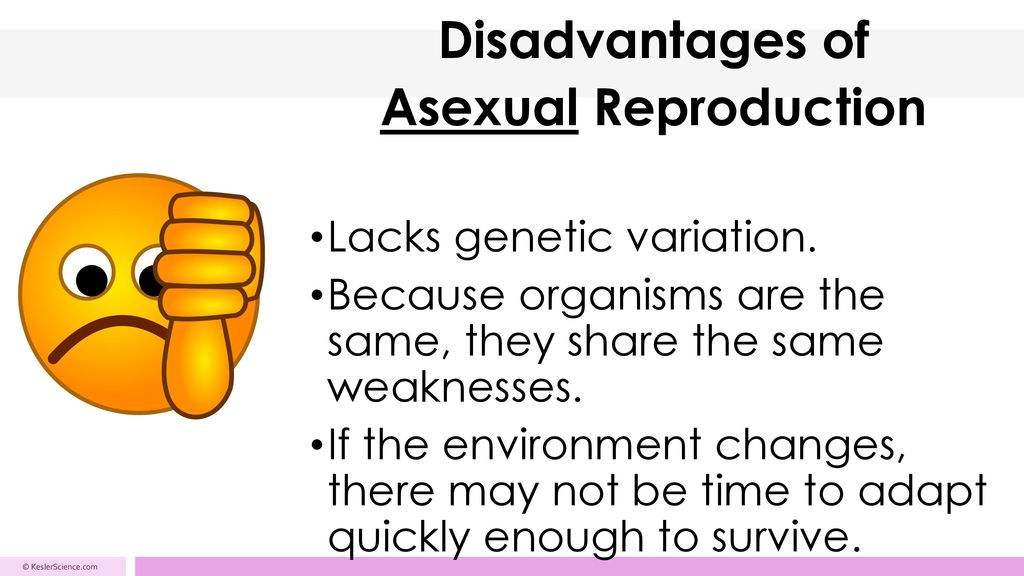
Asexual reproduction is essentially a cloning process, so there isn’t the need for outside intervention to reproduce The main disadvantages of asexual reproduction include lack of genetic variation, increased vulnerability to disease and environmental changes, accumulation of harmful mutations, and limited evolutionary adaptability. Instead of requiring a mate or pollination, the parent can simply clone itself and split an offspring off from the reproductive cycle.
UNIT 3 – ASEXUAL REPRODUCTION IN PLANTS –PART 1 - ppt download
In this comprehensive article, we will delve into ten major advantages and thirteen potential disadvantages of asexual reproduction Learn how some organisms do both and why. By examining each point in detail, we aim to provide a balanced perspective that highlights both the benefits and limitations of this reproductive strategy.
In summary, while asexual reproduction is a quick way to produce offspring, the disadvantages such as low genetic diversity, limited evolutionary potential, risk of overpopulation, and decreased resilience to environmental changes can pose significant challenges for species that rely solely on this mode of reproduction.
With asexual reproduction, organisms are able to establish reactions to certain things, which are then passed down to their offspring And because there is less variation produced with the offspring, they would become less adapted to certain changes in the environment, causing them not to survive. Asexual reproduction offers advantages such as energy efficiency, rapid reproduction, and clonal offspring, contributing to population stability However, it limits genetic diversity and variation, potentially impacting environmental adaptation and species survival due to mutation accumulation.
Compare and contrast the advantages and disadvantages of sexual and asexual reproduction in different organisms