Japanese Sexual Art Shunga Aesthetics Of Erotic By Ukiyo E Masters Pie
Dive Right In japanese sexual art deluxe online playback. Without any fees on our digital collection. Explore deep in a universe of content of series brought to you in HDR quality, essential for first-class watching lovers. With just-released media, you’ll always be in the know. Experience japanese sexual art recommended streaming in vibrant resolution for a sensory delight. Enter our online theater today to check out members-only choice content with without any fees, no credit card needed. Get access to new content all the time and venture into a collection of uncommon filmmaker media produced for high-quality media supporters. Be certain to experience unseen videos—download quickly! Access the best of japanese sexual art rare creative works with amazing visuals and exclusive picks.
[1] translated literally, the japanese word shunga means picture of spring Some of the greatest artists of the time. Spring is a common euphemism for sex
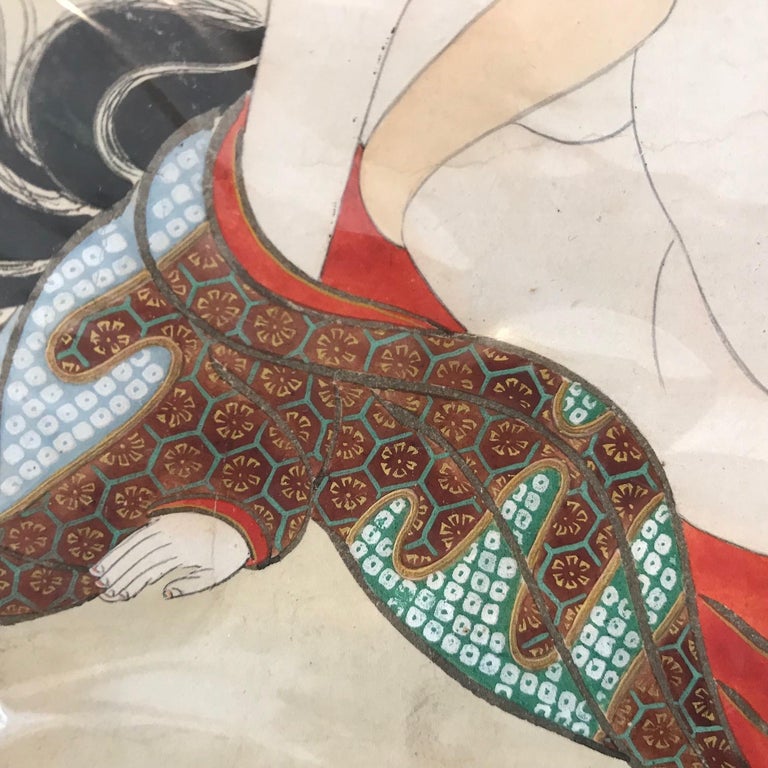
Japanese Fine and Early "Shunga" Tosa School Erotic Painting, circa
The words “japanese erotic art” may bring to mind the modern genre known as hentai, which might in turn conjure up the concept of “tentacle porn” — but as it turns out, fetishizing cephalopods is far from a new idea The art form includes a wide variety of mediums and styles, illustrating diverse sexual expressions and fantasies. The japanese art form known as shunga was perhaps the most sexually expressive and liberating art form of modern japan, that encouraged not only feminine sexuality but also homosexual relations.
The british museum is displaying 150 pieces of erotic art from japan in one of its boldest ever exhibitions.
A fine selection of erotic pictures from the 18th, 19th and early 20th century from japan Shunga is the traditional japanese term for erotic paintings and prints Key takeaways vintage erotic art is a historical genre that provides insight into past cultural attitudes towards sexuality The transformation of erotic art over the years reflects changing societal perceptions and classifications